All work

Paired
Workbooks

Brand Design Editorial PDF Branded Content
In House designer Paired App
Year 2026
Role Lead Designer — editorial design, component system, production
Collaborators Illustrator · Content team · Relationships expert
Website paired.com ↗
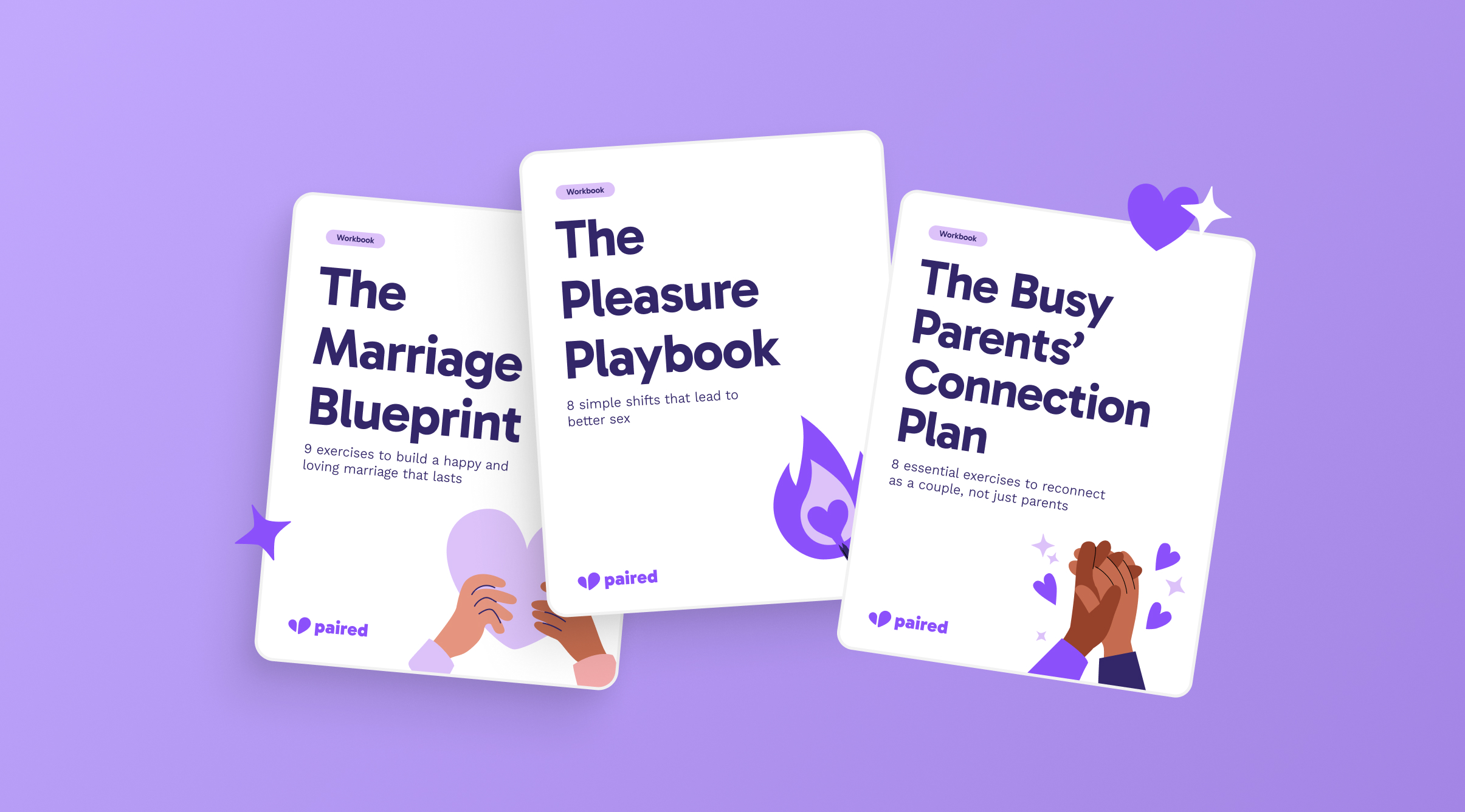
Paired Workbooks — three covers
Overview & challenges

Paired App helps couples to stay in love through daily questions, games, quizzes and expert-backed tools.

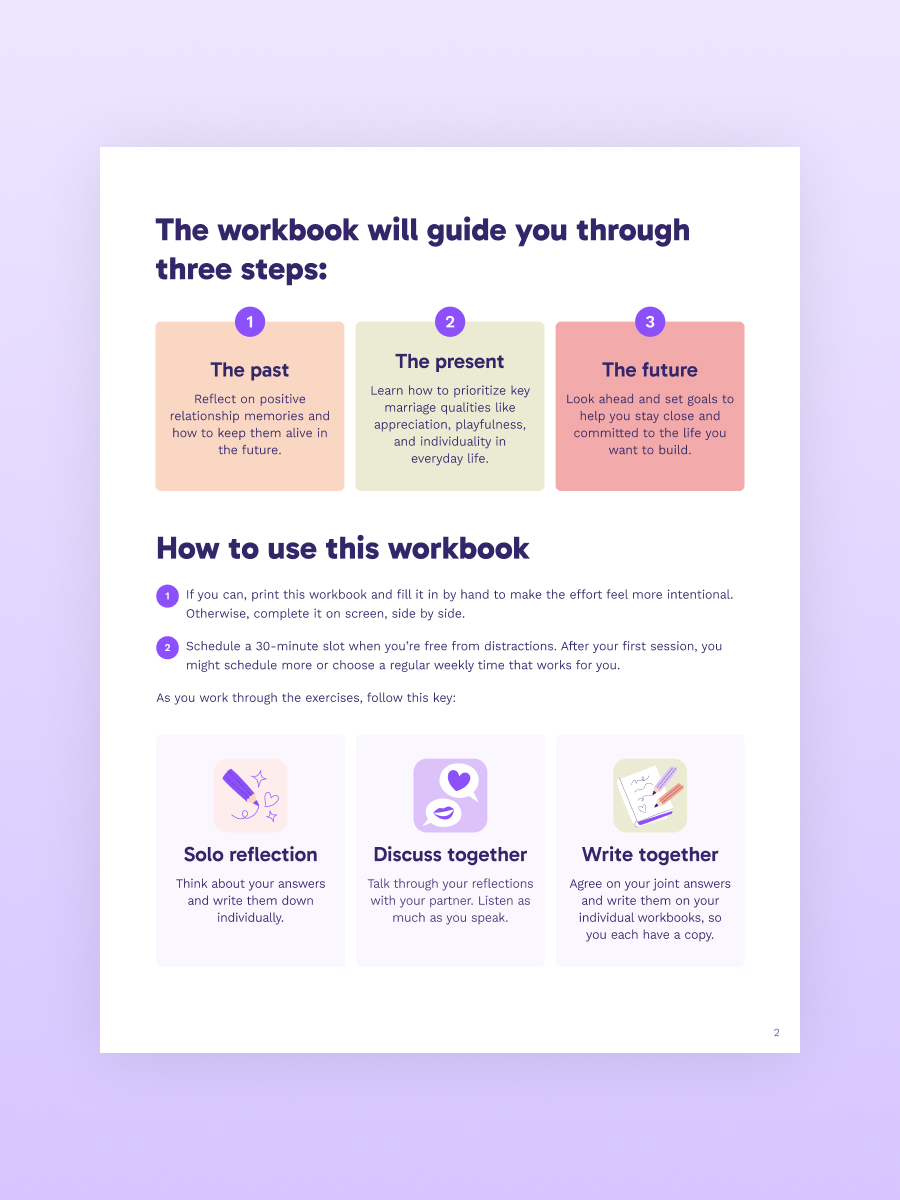
As an in-house designer I was asked to design 3 themed workbooks to extend the experience beyond the app and add extra value to couples. I created 3 PDFs that couples could use together at home, with exercises developed by a relationships expert. Each designed to be both print-ready and fully editable on screen.

This was the first time this type of product had been created at Paired. The main challenges were maintaining visual consistency across three workbooks designed sequentially, managing multiple iteration rounds with the content team and relationships expert, and ensuring the final files worked for both print and screen.
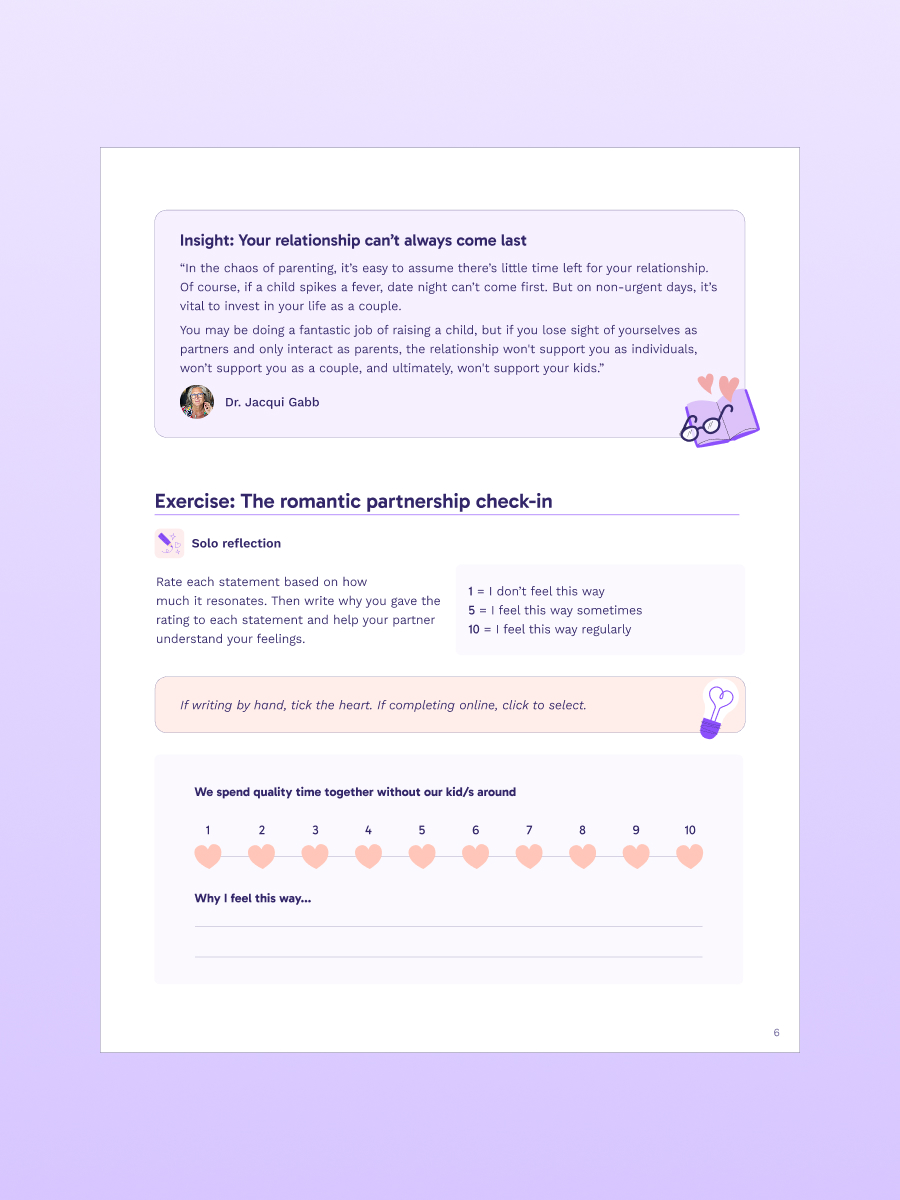
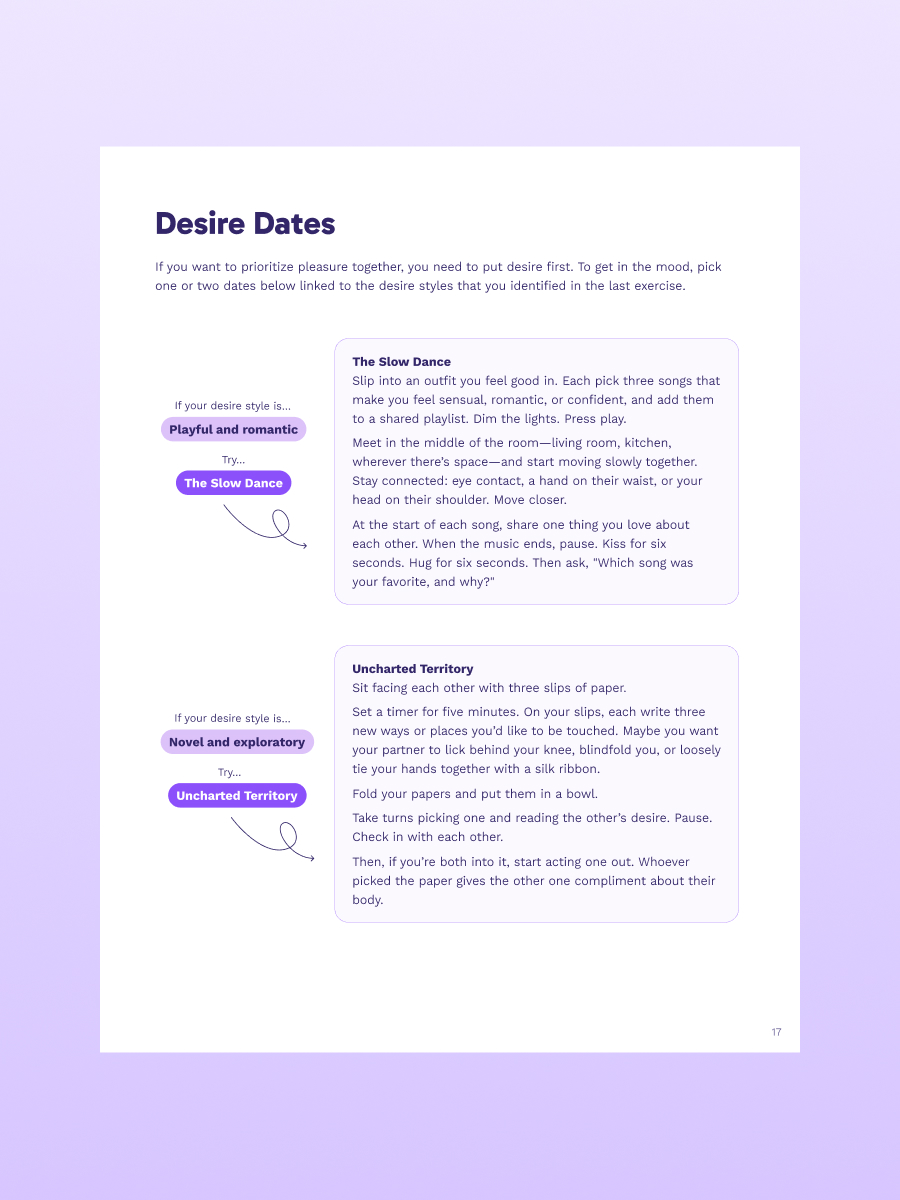
Workbook page — exercise

Sample page

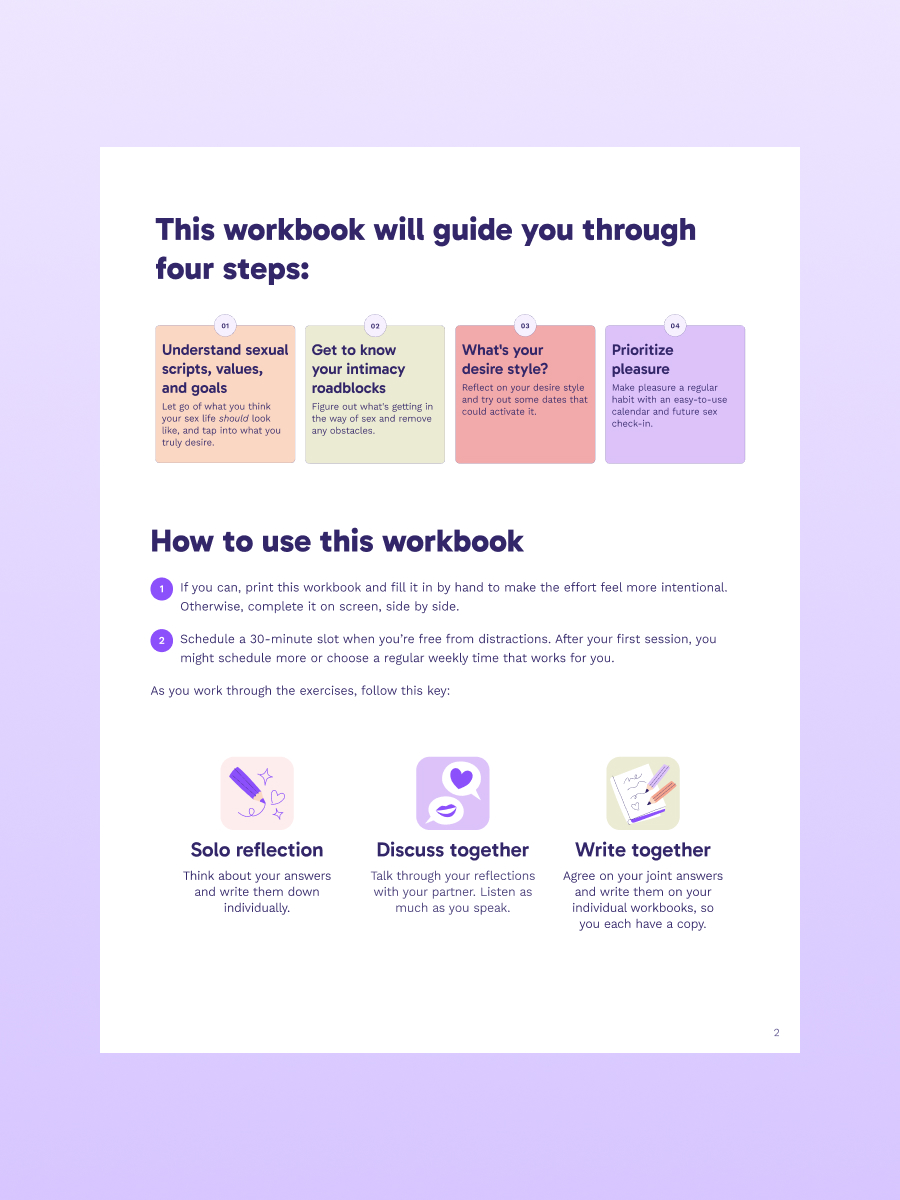
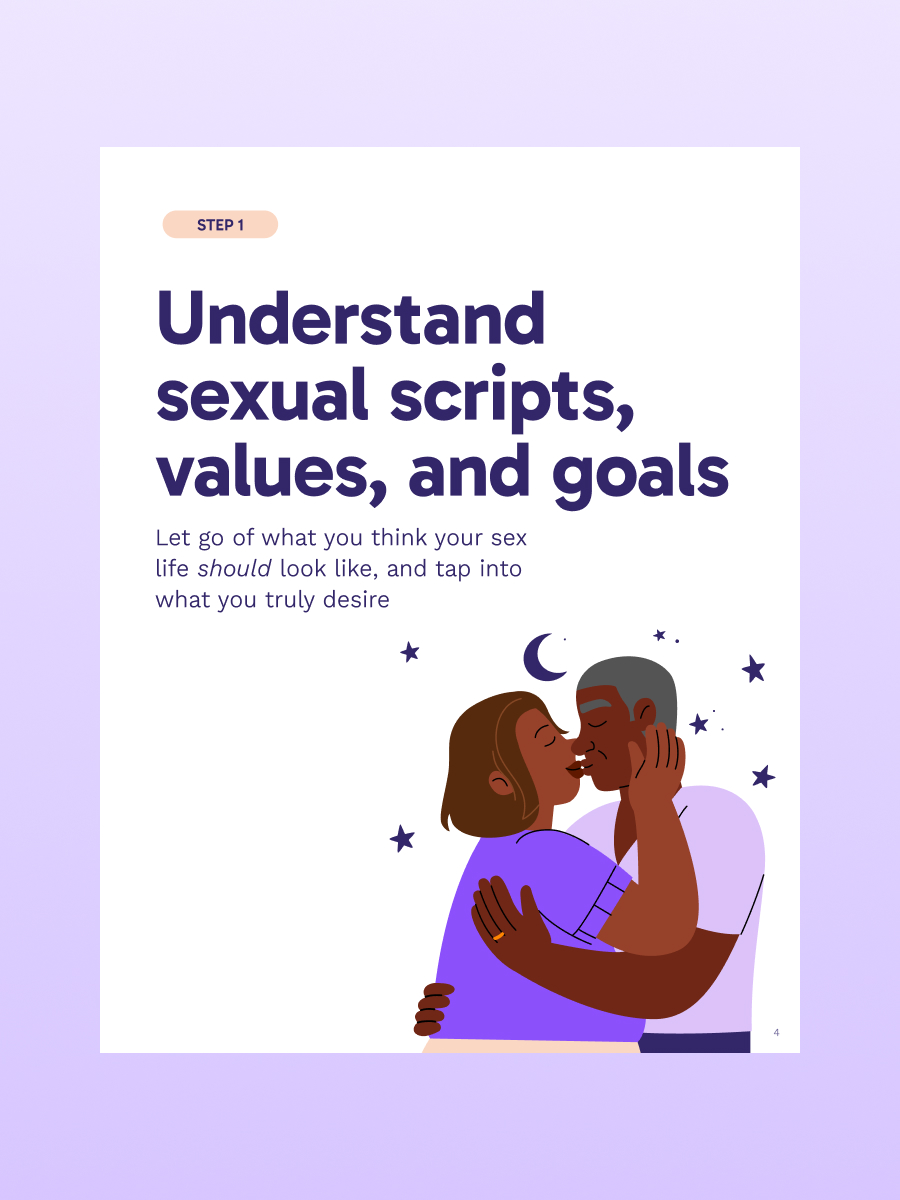
Workbook page — silent connection

Sample page

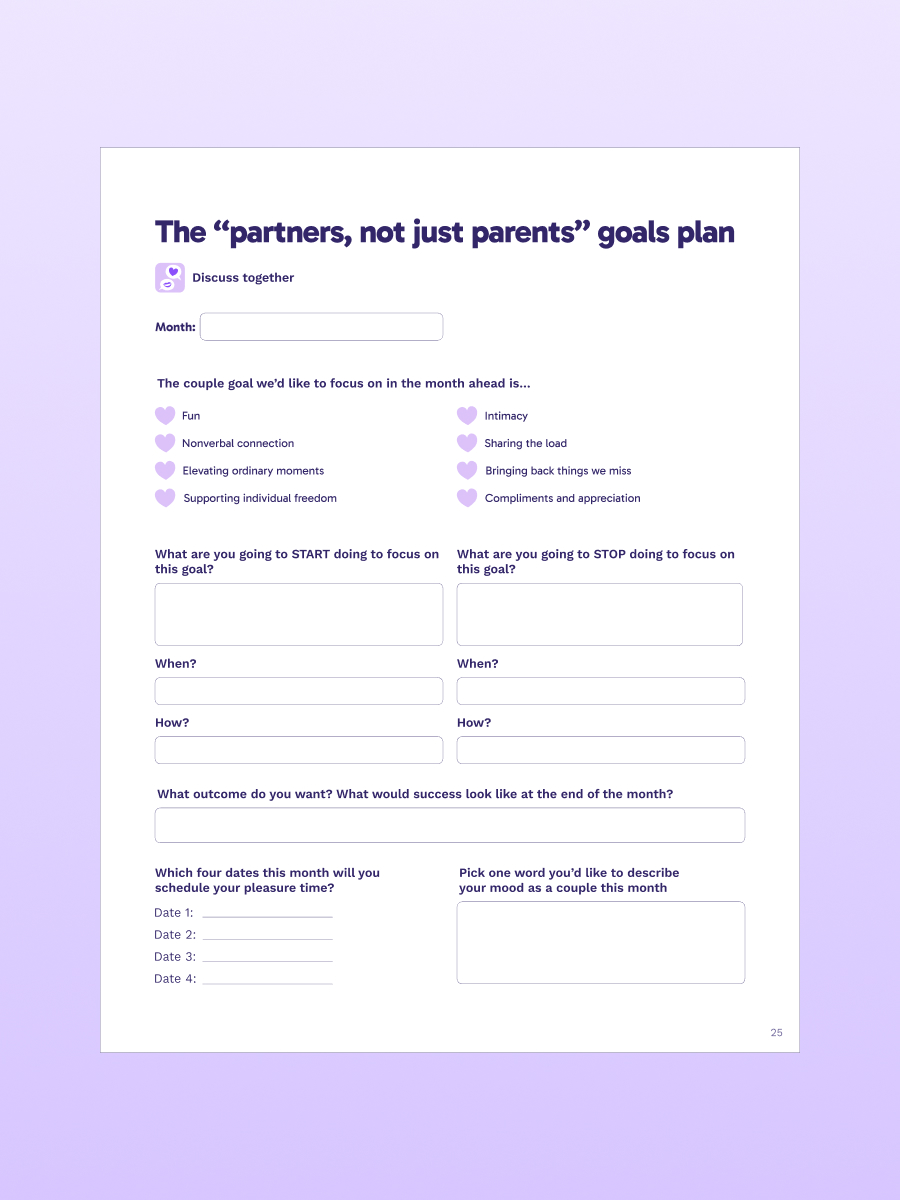
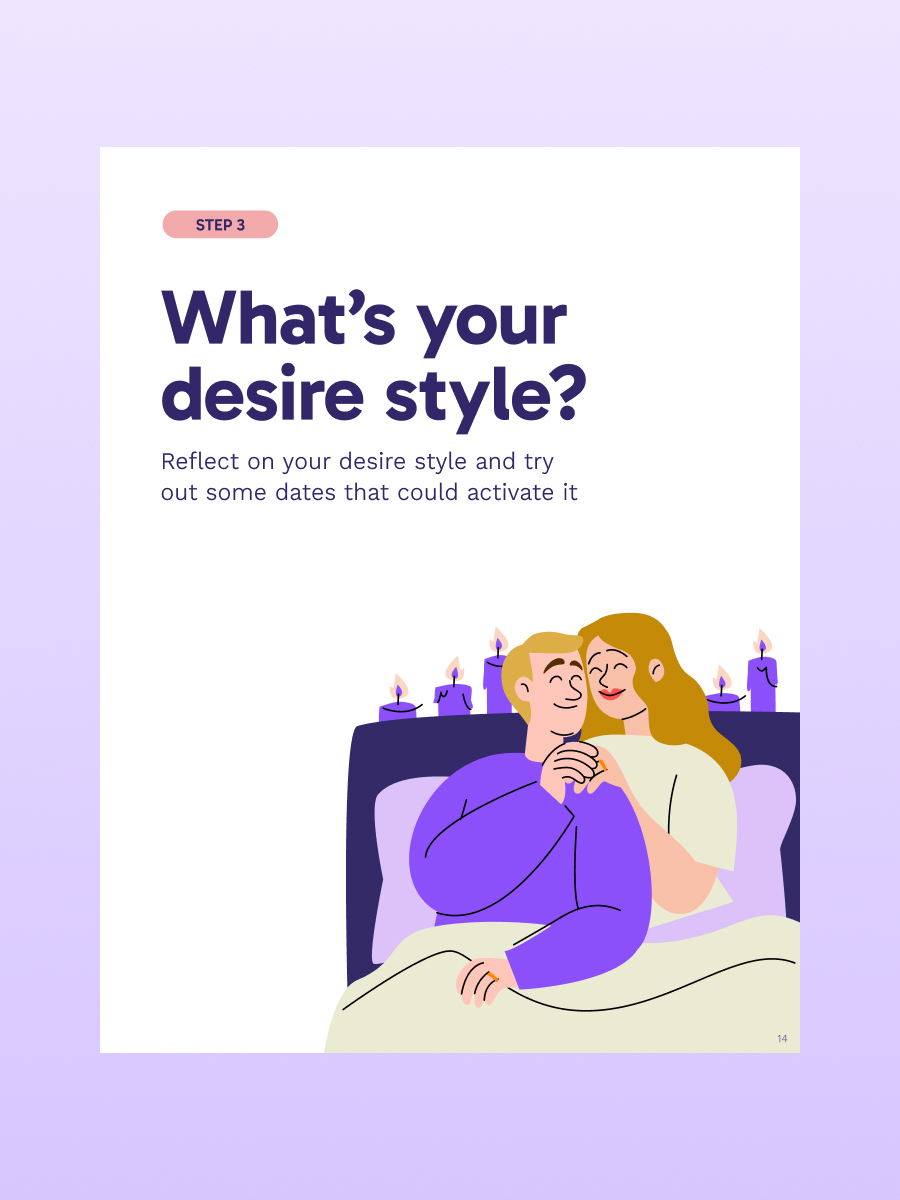
Workbook page — weekly planner

Sample page

Process
01
Research
Competitive analysis of relationship and wellness workbooks — format conventions, content depth, design patterns.
02
Workbook 1 — iteration-heavy
Built the initial visual language. Many rounds with the content team and relationships expert. First editable PDF produced here.
03
Workbook 2 — refining the process
Patterns from workbook 1 carried over. Collaboration improved. First signs of inconsistency between pieces starting to appear.
04
Workbook 3 — system moment
Inconsistencies across all three became visible. Paused to build a shared component system before finishing the third.
05
Retroactive audit
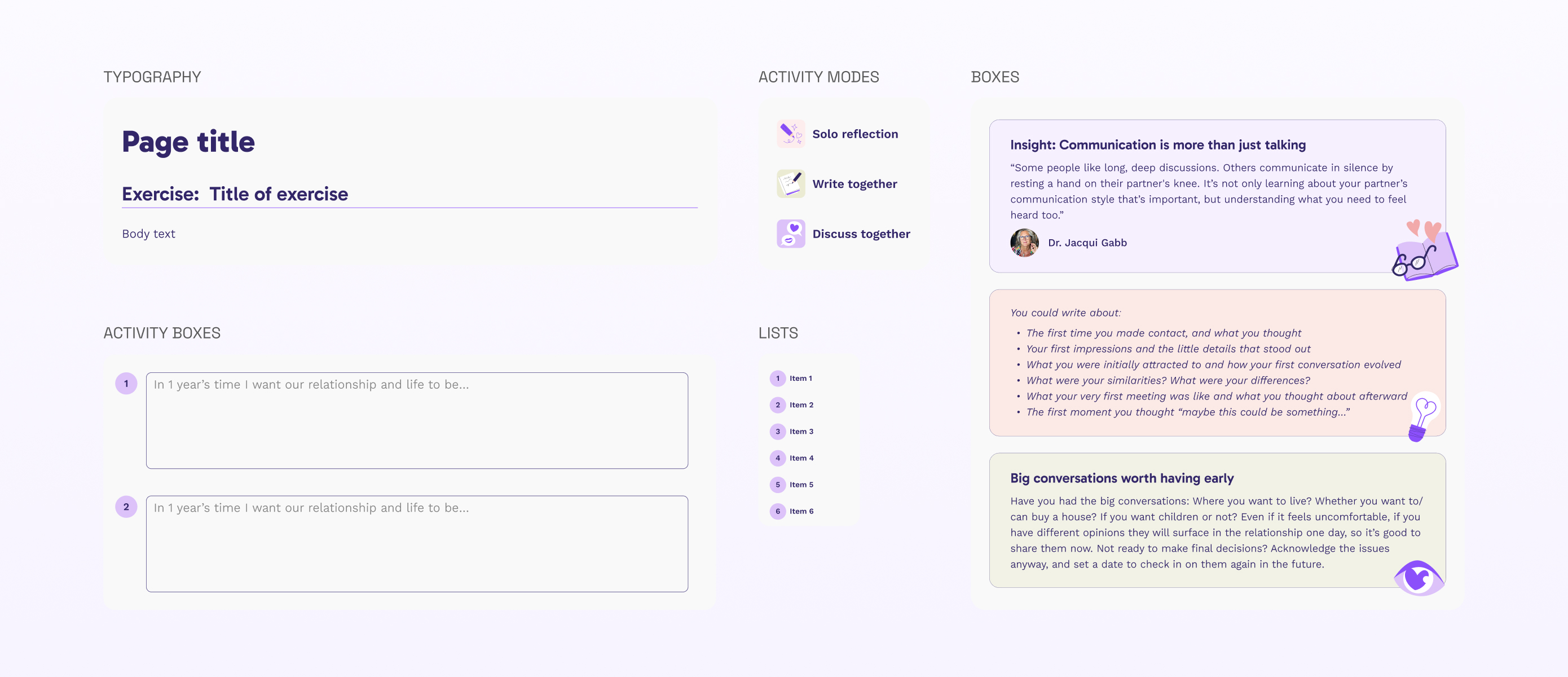
Components unified across all three — spacing, type scales, form fields, illustration rules, section headers. System documented in Figma.
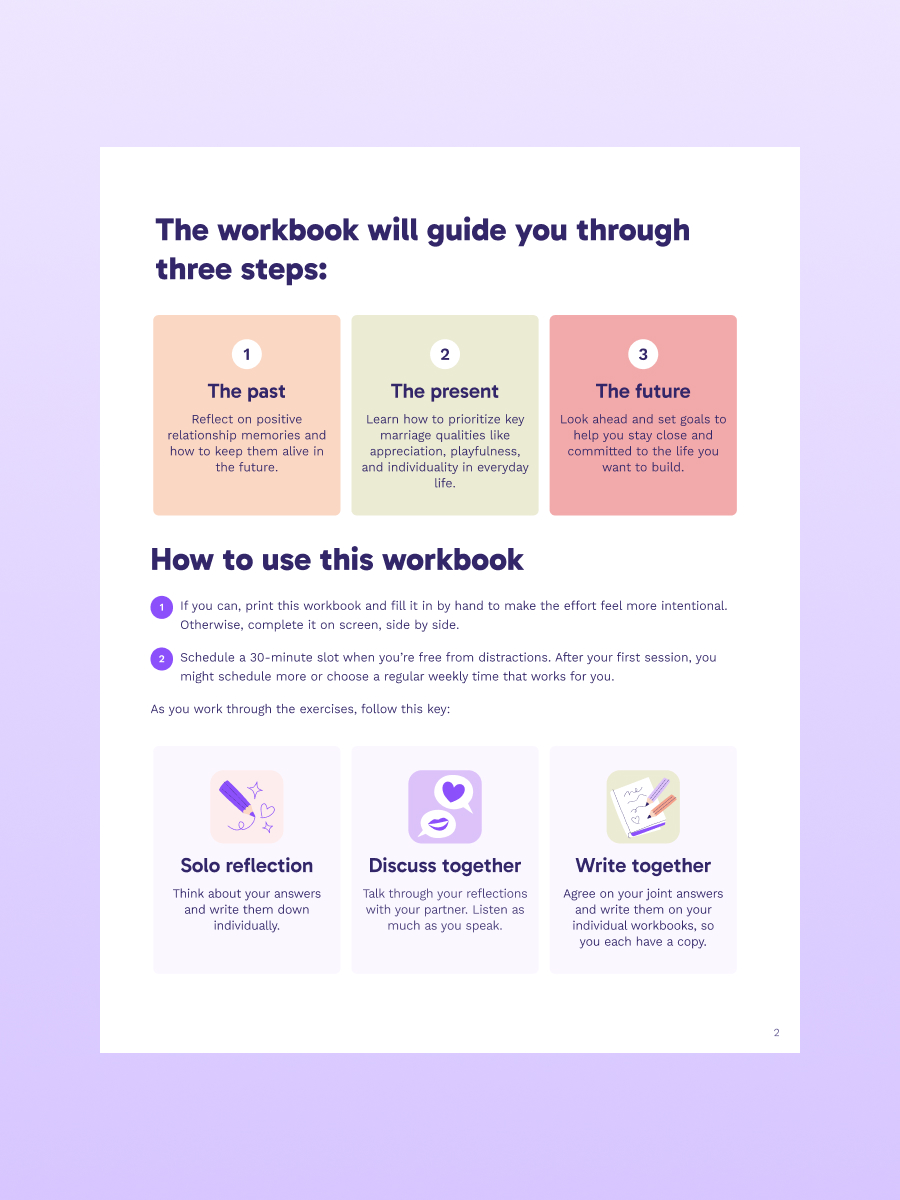
Version anterior workbook 1

Inconsistent page

Version anterior workbook 2

Inconsistent page

Version anterior workbook 3

Unified style for the workbooks

Design Decisions
Extending the brand, not abandoning it
Workbooks in the wellness space tend to go editorial — minimal, muted, serious. But Paired's core experience is warm, playful and engaging, and a more sober aesthetic would have made the exercises feel like homework. Keeping the full Paired visual language turned the workbooks into a natural extension of the product rather than a separate artifact.
One file, two formats
The workbooks are sold as a single PDF link inside the app, so creating two separate versions wasn't an option. The design had to work for both print and screen, including mobile where couples might complete exercises together. Every layout decision was made with both contexts in mind simultaneously.
Pausing to build the system
By the third workbook, inconsistencies across the three had become impossible to ignore — spacing, type scales and form fields had drifted between pieces. I made the decision to pause production and build a shared component system in Figma before finishing. The system unified the core components while leaving room for each workbook to adapt to its own content and tone.
Letter format by design
With Paired's primary user base in the US, Letter format meant the workbooks would print correctly on any home printer without cropping. The proportions also work well on screen — comfortable on desktop, readable on mobile when zoomed. A deliberate choice that removed friction for the majority of users.
Workbook page — exercise

Use of illustration

Workbook page — silent connection

Use of illustration

Workbook page — weekly planner

Use of illustration

Component system

Sample of design system

Impact
01
Problem identified
Copy changes arriving mid-design were causing layout reflows, unclear feedback was creating errors, and there was no defined approval chain across content, design, and stakeholders.
02
Proposed a structured production workflow
Defined three sequential phases — content finalisation, design and review iterations, stakeholder approval — with clear ownership at each stage. Introduced the rule of consolidated feedback per text block to reduce errors in Figma.
03
Adopted by the team
The workflow was implemented on the third workbook and set as the new production standard for PDF projects at Paired. Fewer revision rounds, cleaner handoffs, no layout reflows from late copy changes.
04
Launching Q3 2026
Tracking downloads, completion rate, and retention lift in the Paired app. Results to be updated post-launch.

Lessons learned

What went well
Dual-use format
High-res + editable in one file. Designing for print and screen simultaneously pushed every layout decision to be more considered.
Fully on-brand
No deviation to a generic workbook aesthetic. The Paired visual language held up in a completely different medium.
Owning the process
Identified friction in the cross-functional workflow and proposed a structured production process — adopted by the team as the new standard.
What I'd do differently
Build the system first
Designing three pieces sequentially without a shared system meant inconsistencies that had to be fixed retroactively. More upfront alignment would have saved time.
Lock copy before design
I now set content sign-off as a hard prerequisite before any design phase starts — and built that into the production workflow adopted by the team.
Editable version last
Adding form fields before content was fully locked created unnecessary rework. The editable layer should always come after final approval.

Next project

Talika →
All work